
Transform Your Health Through Smart Nutrition
Daily eating choices determine your wellness. Learn how to fuel your body with science-backed nutrition strategies designed for modern men.
The information on this site is for educational purposes only and does not constitute medical advice. Always consult a qualified healthcare professional before making health decisions.
Impact Through Better Eating
Sustained Energy
Many men report steady energy levels throughout the day when following consistent eating patterns.
Muscle Support
Protein-rich nutrition helps maintain lean muscle mass and supports active lifestyles.
Mental Clarity
Balanced nutrition supports cognitive function and mental performance during busy workdays.
Better Sleep
Quality nutrition and timing can contribute to more restorative sleep patterns.
Core Nutrition Pillars
These six fundamentals form the foundation of sustainable daily eating for men's wellness.
Complete Protein Intake
Essential amino acids from diverse sources support muscle repair and metabolic health. Aim for protein at every meal.
- Lean meats and poultry
- Fish and seafood
- Plant-based options
Fiber & Complex Carbs
Whole grains provide sustained energy and support digestive wellness. They're essential for active men.
- Brown rice and oats
- Whole grain bread
- Quinoa and legumes
Smart Fat Choices
Omega-3 and unsaturated fats support heart and brain function. Quality fats are crucial for hormonal balance.
- Olive and avocado oil
- Fatty fish and nuts
- Seeds and nut butters
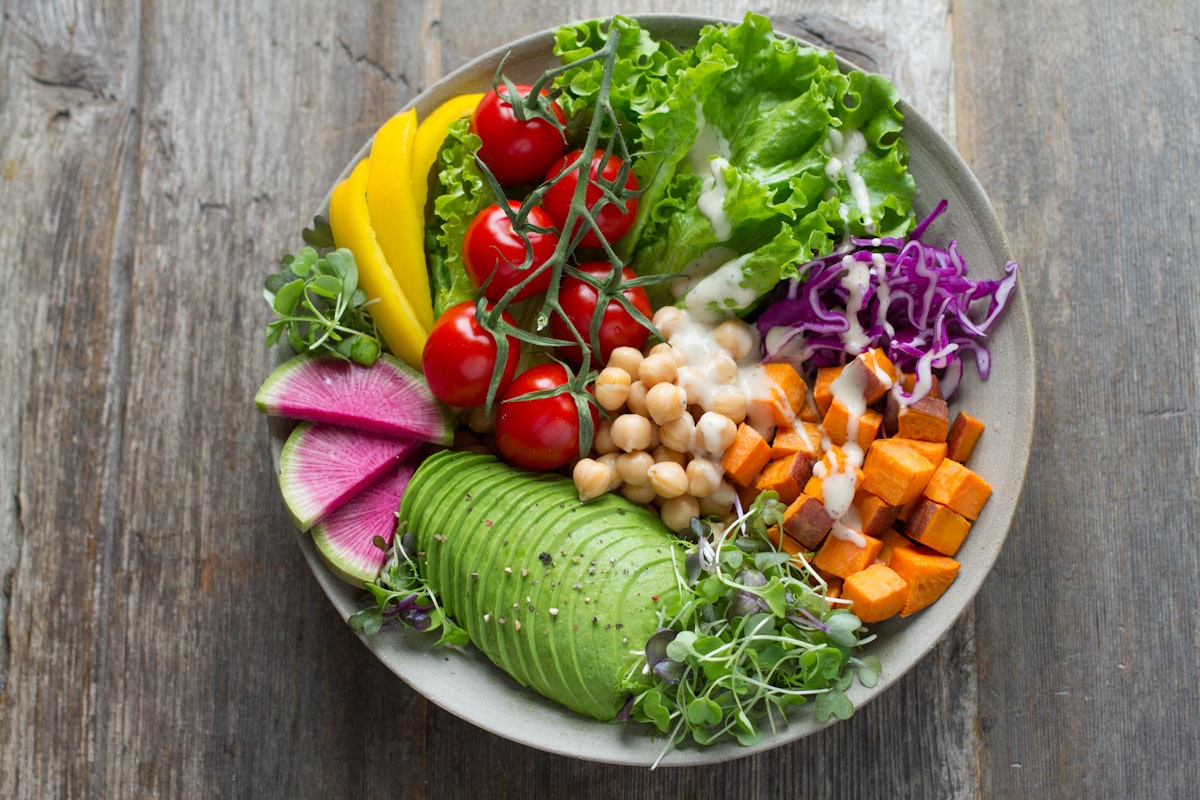
Colorful Vegetables
Nutrient-dense vegetables provide vitamins, minerals, and antioxidants. Variety ensures comprehensive micronutrient coverage.
- Dark leafy greens
- Cruciferous vegetables
- Root vegetables
Consistent Hydration
Water intake affects energy, recovery, and overall wellness. Proper hydration is often overlooked by men.
- 2-3 liters daily minimum
- Adjust for activity level
- Include herbal teas
Smart Portion Sizing
Appropriate portions prevent overeating while supporting your specific activity and wellness goals.
- Hand-based measurements
- Plate proportion method
- Listen to hunger cues
The Science Behind Daily Wellness
Research consistently shows that daily eating patterns directly influence energy, body composition, and long-term wellness outcomes. Men who prioritize balanced nutrition report improved focus, better sleep quality, and sustained performance.
Nutrition isn't just about individual meals—it's about building sustainable habits that compound over weeks and months. Small daily improvements accumulate into measurable wellness gains.
"Consistent eating patterns provide the foundation for physical performance, mental clarity, and emotional resilience. The daily choices you make compound significantly over time."
— Nutrition Research, Men's Wellness Journal
Your 30-Day Eating Journey
Transform your nutrition habits step-by-step over one month. Each week builds on previous progress.
Week 1: Establish Baseline & Hydration
Track current eating patterns and establish a consistent hydration routine. Drink water consistently throughout each day and identify areas for improvement.
- Drink 8-10 glasses of water daily
- Log meals in a simple notebook
- Note energy levels and sleep quality
Week 2: Add Protein & Whole Grains
Incorporate quality protein sources at each meal and replace refined carbs with whole grains. This supports steady energy throughout the day.
- Include protein at breakfast, lunch, dinner
- Switch to brown rice, whole grain bread
- Notice improved satiety
Week 3: Maximize Vegetables & Healthy Fats
Fill half your plate with vegetables and add healthy fats from quality sources. Micronutrient density increases significantly this week.
- Add vegetables to every meal
- Include olive oil, nuts, fatty fish
- Experience improved mental clarity
Week 4: Solidify Habits & Plan Forward
Review your progress, establish portion control strategies, and plan your nutrition for the next month. These habits are now becoming automatic.
- Meal prep for the week ahead
- Master portion sizing by hand
- Set goals for next 30 days
Men Achieving Results
"Changing my daily eating habits gave me back my energy. I sleep better, think clearer, and feel genuinely better throughout the day. This isn't about restrictive dieting—it's about sustainable choices."
— Marco, Madrid
"I learned that meal prep doesn't have to be complicated. Simple, consistent choices over weeks add up to real improvements in how I feel and perform in my workouts."
— Carlos, Barcelona
"The best part? I'm not following some extreme plan. I'm just eating real food in balanced portions. My clothes fit better, my energy is consistent, and I actually enjoy eating healthy now."
— Juan, Sevilla
Common Questions About Men's Nutrition
Practical answers to help you start and maintain your daily nutrition journey.
For most active men, 0.7–1.0 grams of protein per pound of body weight is a practical target. If you weigh 180 pounds, that's roughly 125–180 grams daily, spread across meals. This supports muscle maintenance and recovery without being excessive.
Ready to Transform Your Body Today?
Join thousands of men who've already started their fitness nutrition journey. Get our free guide to eating for muscle and energy.
Real Results from Real Men
See how proper nutrition changed lives
"I never realized how much my diet was holding me back. Following the nutrition principles here, Following the nutrition principles here, I feel stronger and my energy at work is through the roof. My energy at work is through the roof."
James Mitchell
Age 34, Software Engineer
"As a busy dad, I thought eating healthy meant hours in the kitchen. These simple meal ideas fit my schedule perfectly. I'm leaner, stronger, and have more energy to play with my kids."
Robert Chen
Age 42, Business Owner
"I was always tired and couldn't focus. Now I understand what my body actually needs. Better nutrition = better workouts, better recovery, better life. Highly recommend this approach."
David Lee
Age 28, Fitness Trainer
Frequently Asked Questions
Find answers to common questions about men's fitness nutrition
How much protein do I actually need?
The general recommendation for men looking to build muscle is 0.7–1 gram of protein per pound of body weight daily. If you weigh 180 pounds, aim for 125–180 grams per day. This can come from chicken, fish, eggs, dairy, legumes, or supplements. Spread it across 3–4 meals for optimal muscle protein synthesis.
Can I get fit eating out frequently?
Yes, but with smart choices. Most restaurants now show nutrition info. Opt for grilled proteins, vegetables, and whole grains. Skip fried foods and sugary drinks. Eating out 2–3 times per week is manageable; daily takeout makes hitting nutrition targets difficult. Meal prepping 2–3 days at a time makes the difference.
Do I need supplements to see results?
No. Whole foods should be your foundation. That said, whey protein powder, creatine, and multivitamins can fill gaps and boost convenience. Supplements amplify a solid diet—they don't replace it. Prioritize consistent eating first; add supplements only after your base nutrition is solid.
What if I have limited cooking skills?
Start simple: boiled eggs, rotisserie chicken, canned tuna, Greek yogurt, oats, and frozen vegetables require minimal effort. Use a slow cooker or instant pot to batch cook protein and grains. Many grocery stores offer pre-cut vegetables and prepared proteins. Simplicity beats perfection—consistent basic meals beat fancy meals you skip.
How do I stay consistent when traveling or busy?
Pack portable foods: almonds, protein bars, jerky, and dried fruit. At hotels, use the gym and grab eggs from breakfast. At airports, choose sandwich shops over fast food. Aim for 80% consistency—perfect weeks aren't required. Missing one meal won't derail progress, but the average matters. Travel is an excuse to relax standards, not abandon them completely.
How long before I see actual physical changes?
Most men feel energy and mood improvements within 1–2 weeks. Visible muscle gain takes 4–8 weeks with consistent training and nutrition. Fat loss is visible around 3–6 weeks. The timeline depends on your starting point, consistency, and training intensity. Internal changes happen first; external changes follow. Trust the process and measure progress in multiple ways—not just the mirror.